
Inspired by Psalms 42 & 43
“Where is your God?”
“Where is the God who made him our leader?”
These questions echo loudly in the streets, in our minds, and in our prayers. And yet, even amid the noise, confusion, and heartbreak, here’s what I know to be true: I believe in the sovereignty of God in the present, his suffering in the past, and the salvation that is to come.
Last year, the protests birthed a Gen Z movement — a cry for liberation and justice. But now, we are witnessing a rare kind of metamorphosis. A movement that once gave us hope is now leaving Kenyans more wounded, more disillusioned, and with losses we never imagined. And perhaps what hurts even more is the Church’s silence — or worse, its compromise. If there ever was a test of our witness, we’ve failed it miserably. And maybe, just maybe, this will be the generation that walks out of the pews because of our choices. I say this with a trembling heart: God will judge the leaders — harshly.
But I will not lose hope because of June 25th and July 7th.
You see, I lived through the post-election violence of 2007–08. I know what it means to have trauma lodged deep in your bones. Even the pop of a balloon can send my heart racing, my mind spiraling. Gunshots, screams, bodies — these memories don’t fade easily. I’m still walking the long path of healing, and yes, the current protests trigger me deeply.
Still, I wish the prophets of Baal were right — then I wouldn’t be writing this. But even if they were, my God remains sovereign. He walks with us in our suffering and leads us toward salvation.
PRAYING THROUGH PAIN
During the protests, I found myself praying through scripture — not the usual “me, myself, and I” prayers, but petitions rooted in the Word. I’ve learned to speak back to God with His own words. And by God’s grace, our She Prays community landed on Psalms 42 & 43. Right there, I found the cry of my soul:
“As the deer pants for streams of water, so my soul longs for You, O God.”
“Why, my soul, are you downcast? Why so disturbed within me? Put your hope in God…”
There’s pain all around. A thick fog of suffering, disillusionment, and despair. And yet, I still believe in God. Here’s why:
1. Our God Is Sovereign
He sits on the throne — unmoved, unmatched, unshaken. Yes, He is fully responsible for everything, even the tragedies. But before we throw stones, remember this: God granted us free will. He is not malicious. He did not cause the tragedy, but neither did He stop it. And even if He did allow it, He doesn’t owe us an explanation. He is God.
We don’t get to demand answers from the Creator to justify our obedience. That’s where true submission begins — in trusting even when we don’t understand.
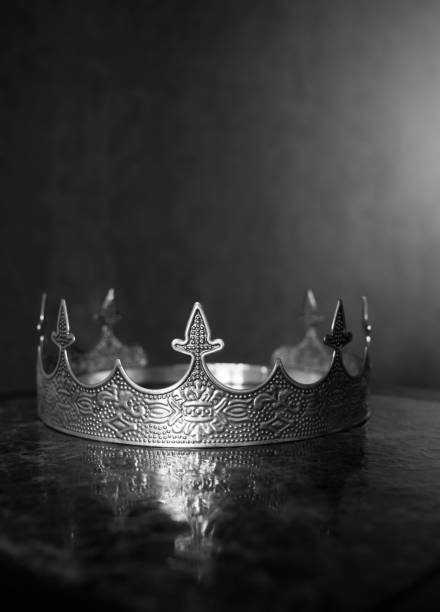
2. His Sovereignty Calls Us to Submit
I recently sat with a young woman angry at the word submission — especially in the context of marriage. To her, it sounded like injustice. But submission isn’t about being silenced. It’s about surrendering to a Sovereign God, just as Christ did.
Here’s what I’ve learned:
✅ We submit to God because He is powerful.
✅ We submit to God because He is holy, and we are sinful.
✅ We submit to God in faith — trusting what we cannot see.
But each kind of submission carries a tension:
Submitting only because He’s powerful can lead to fatalism — like in Islam, where God is all-powerful, but far away.
Submitting only because He’s holy can lead to fear — “If God is holy, why is He letting this happen?”
But let’s be honest — we deserve some of this. We didn’t study the scriptures. We voted blindly. We chose silence over discernment. Painful truth? Yes. But necessary.
Still, if we stop there, we create more wounds.
3. Submission Through Faith
Faith says: “I believe You are in control. I trust that You are doing something I don’t understand. And if I did understand, I’d know You have a good reason for it.”
Can we stop and see God in our situation in Kenya?
Can we also accept the silence of God as part of His answer?
Because faith does not demand an immediate rescue — it clings to the promise that God is good even when life is not.
4. He Suffered Too
Some might ask, “How can God judge us? What does He know about suffering?”
Oh, friend — He knows.
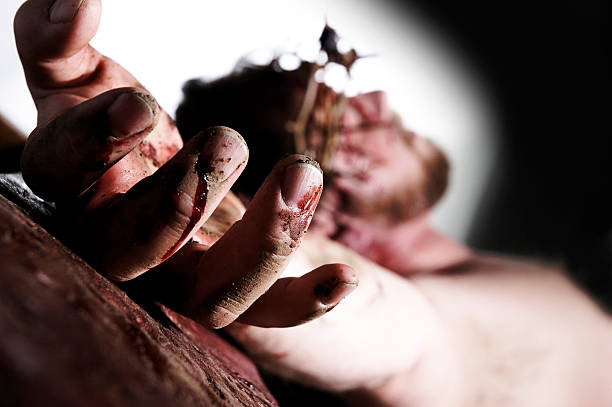
The gods of other religions stay distant, untouched by human pain. But our God took on flesh. He was rejected, mocked, beaten, crucified. He bled. He died. He suffered.
He doesn’t just watch us suffer — He enters our suffering. And that changes everything.
5. He Is Working Toward Salvation
Not only is God sovereign, not only has He suffered, but He is also weaving all this into His redemptive plan.
We were told this would happen:
Nations rising against nations, chaos, false prophets, disasters — just like in the days of Noah. Yet in all this, He is coming again. Not as a baby, but as a King. That gives me hope.
Not a passive, fatalistic hope — but one that fights, prays, and waits. Even in silence. Even in darkness. Knowing He is in control.
SO, WHERE IS MY GOD?
He is here.
He is sovereign.
He is suffering with us.
He is saving us.
And I will continue to put my hope in Him.
Just like the psalmist, I will say to my soul:
“Why are you downcast, O my soul?
Why so disturbed within me?
Put your hope in God,
For I will yet praise Him,
My Savior and my God.” (Psalm 43:5)